
David E. Arterburn, MD, MPH
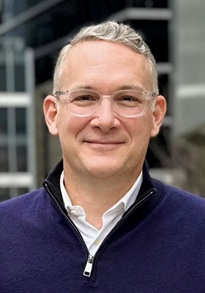
“It's critical that we find cost-effective ways to treat obesity while reducing weight bias and stigma. My research examines the long-term effects of behavioral, pharmaceutical, and surgical treatments and promotes shared decision-making between patients and their providers.”
David Arterburn, MD, MPH
Manager, Investigative Sciences Division
Senior Investigator, Kaiser Permanente Washington Health Research Institute
Physician, Washington Permanente Medical Group, Internal Medicine
Biography
David Arterburn, MD, MPH, is a general internist and health services researcher who focuses on finding safe, effective, and non-stigmatizing ways to treat obesity. As an international leader in obesity research, his goal is to help individuals and families make treatment decisions that align with their values while sustaining their health over the long haul.
Dr. Arterburn's research portfolio includes studies of the impact of neighborhood environments on obesity, mindfulness-based interventions for weight loss, obesity pharmacotherapy, the long-term outcomes of bariatric surgery, and implementation of shared decision-making tools and processes. He recently led the PCORnet Bariatric Study, a two-year, $4.5 million study comparing the health benefits and safety associated with the main types of bariatric surgery in 41 health systems in the United States. Funded by the Patient-Centered Outcomes Research Institute (PCORI), the study’s results give patients and their health care providers the information they need to decide which type of surgery is best for them. Dr. Arterburn is also filling in evidence gaps on obesity medications through 3 new National Institutes of Health (NIH) grants that will:
- Compare outcomes of different medications
- Compare medications versus bariatric surgery for diabetes treatment
- Design and test interventions to increase equitable use of obesity medications, leading to templates that can be used by other health systems
Over the past decade, Dr. Arterburn has collaborated with Kaiser Permanente Washington's specialty leadership to implement and evaluate shared decision-making with patient decision aids to support elective surgical care. The approach has shown great promise for improving the quality of health care while simultaneously lowering the costs of care in some populations.
Dr. Arterburn collaborates extensively in his research and has federally funded projects related to obesity and bariatric surgery with investigators at University of Washington (UW), Duke University, Harvard, University of Pittsburgh, University of Michigan–Wake Forest, University of Maryland–Baltimore, and the Cleveland Clinic.
Dr. Arterburn joined Kaiser Permanente Washington Health Research Institute in 2006. In recognition of his contributions to science, he has been named an honorary Fellow of the American Society of Metabolic and Bariatric Surgery (FASMBS) and a Fellow of the American College of Physicians (FACP) and The Obesity Society (FTOS). Dr. Arterburn is past chair of the Adult Obesity Measurement Advisory Panel sponsored by the National Committee on Quality Assurance and founding chair of the Obesity Society's Health Services Research Section. In 2013 he co-chaired the NIH Symposium on the Long-Term Outcomes of Bariatric Surgery, and in 2025 he will co-chair the National Institute of Diabetes and Digestive and Kidney Diseases (NIDDK) Workshop on Leveraging Real-World Evidence to Optimize Use of GLP-1-Based Therapies. He is also an affiliate professor in the UW Department of Medicine.
RESEARCH INTERESTS AND EXPERIENCE
-
Obesity
Bariatric surgery; health services research; economics and risk adjustment; pharmaceutical outcomes research
-
Health Services & Economics
Obesity prevention and control
-
Medication Use & Patient Safety
Pharmaco-epidemiology, pharmacogenetics, pharmaceutical outcomes research
-
Patient/Provider Interaction
Shared decision making
-
Behavior Change
Obesity prevention and control
Recent publications
Rosenberg DE, Zhu W, Greenwood-Hickman MA, Cook AJ, Florez Acevedo S, McClure JB, Arterburn DE, Cooper J, Owen N, Dunstan D, Perry SR, Yarborough L, Mettert KD, Green BB Sitting Time Reduction and Blood Pressure in Older Adults: A Randomized Clinical Trial 2024 Mar 4;7(3):e243234. doi: 10.1001/jamanetworkopen.2024.3234. Epub 2024-03-04. PubMed
Rosenberg DE, Cruz MF, Mooney SJ, Bobb JF, Drewnowski A, Moudon AV, Cook AJ, Hurvitz PM, Lozano P, Anau J, Theis MK, Arterburn DE Neighborhood built and food environment in relation to glycemic control in people with type 2 diabetes in the moving to health study 2024 Mar;86:103216. doi: 10.1016/j.healthplace.2024.103216. Epub 2024-02-23. PubMed
Courcoulas AP, Patti ME, Hu B, Arterburn DE, Simonson DC, Gourash WF, Jakicic JM, Vernon AH, Beck GJ, Schauer PR, Kashyap SR, Aminian A, Cummings DE, Kirwan JP Long-Term Outcomes of Medical Management vs Bariatric Surgery in Type 2 Diabetes 2024 Feb 27;331(8):654-664. doi: 10.1001/jama.2024.0318. PubMed
Lee CS, Ferguson AN, Gibbons LE, Walker R, Su YR, Krakauer C, Brush M, Kam J, Larson EB, Arterburn DE, Crane PK, Eye ACT Study Group: Eye Adult Changes in Thought (Eye ACT) Study: Design and Report on the Inaugural Cohort 2024 Jan;100(1):309-320. doi: 10.3233/JAD-240203. PubMed
Courcoulas AP, Daigle CR, Arterburn DE Long term outcomes of metabolic/bariatric surgery in adults 2023 Dec 18;383:e071027. doi: 10.1136/bmj-2022-071027. Epub 2023-12-18. PubMed

Research

As GLP-1 use expands, researchers look for answers
David Arterburn is leading research to help patients and clinicians navigate the rapidly changing GLP-1 landscape.
News

Filling evidence gaps on obesity treatment
Several new grants will fund research on effectiveness, safety, and equitable use of anti-obesity medications.
Research

Study finds bariatric surgery linked to substantially lower risk of blood clots long-term
Largest study to date helps patients weigh risks and benefits of surgery.
News

Seattle's Sweetened Beverage Tax linked to improved public health outcomes
An evaluation with KPWHRI researchers looked at the impacts of the tax so far.