
Obesity
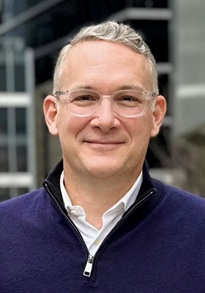
“We’re looking for innovative ways to both treat and prevent obesity — including creating healthier environments and designing programs for whole families.”
David Arterburn, MD, MPH
Kaiser Permanente Washington Health Research Institute Senior Investigator
Washington Permanente Medical Group, Internal Medicine
Obesity has a major impact on the health and well-being of people in the U.S. We are doing practical research to learn how doctors, patients, families, employers, and policymakers can best work together to prevent and treat this common condition.
This includes studying how to change homes, workplaces, and neighborhoods to create healthier environments, as well as helping people build healthy habits around eating and physical activity. Our scientists are also at the forefront of research on treatments for obesity, including weight-loss (bariatric) surgery and GLP-1 medications such as Ozempic and Wegovy (GLP-1 is short for glucagon-like peptide-1 receptor agonist).
Research highlights
 Answering real-world questions about GLP-1s
With Kaiser Permanente’s rich data resources and a network of collaborators, KPWHRI is leading research on the rapidly changing GLP-1 landscape. This means not only conducting studies to answer pressing questions about the benefits, uses, and safety of GLP-1s, but also supporting patients and clinicians during what The New York Times has called the “great American GLP-1 experiment.”
 Encouraging informed decisions on bariatric surgery
KPWHRI led the large, long-term PCORnet Bariatric Study that compared the safety of different types of bariatric surgeries and their effect on weight and diabetes risk for up to 5 years after the operation. The findings provide patients and their doctors with essential evidence-based information to decide which surgery, if any, is best for them.
 Exploring how neighborhoods can affect weight
Obesity and Type 2 diabetes are more common in some neighborhoods than in others — sometimes only a mile or two away. In the Moving to Health study, researchers looked at possible reasons for these differences. Among the findings: People who moved from a low-density suburban neighborhood to a high-density urban neighborhood gained less weight after 3 years than people who moved in the opposite direction.
 Changing sitting habits for better health
Researchers have long noted a connection between sitting for long periods and obesity, high blood pressure, and several other health conditions — particularly as people get older. KPWHRI scientists conducted the first randomized controlled trial of an intervention designed to help older adults with obesity sit less. Subsequent research found that the intervention — called I-STAND — led to improvements in blood pressure similar to those found in studies where participants increased their exercise time.


Recent publications on Obesity
Wartko PD, Zhang R, Johnson E, Begle C, Bobb JF, Chen C, Singh A, Ross L, O'Connor PJ, Arterburn D, McCoy RG Trends in utilization of glucagon-like peptide-1 receptor agonists, sodium-glucose cotransporter-2 inhibitors, and metabolic bariatric surgery in U.S. adults with diabetes and obesity 2026 Oct;240:113504 doi:10.1016/j.diabres.2026.113504. doi: 10.1016/j.diabres.2026.113504. Epub 2026-08-20. PubMed
Crawford CL, Hansell LD, Hsu CW, Mogk J, Paz SR, Moore DD, Macias M, Bhakta BB, Ellis D, Lopez C, Jackson T, Borruso A, Graves R, Corralejo V, Gray MF, Young DR, Drewnowski A, Lewis KH, Coleman KJ Beyond the Scale: Patient Perceptions and Experiences of Bariatric Surgery Support-A Qualitative Analysis of the BELONG II Study 2026 Aug;16(4):e70093. doi: 10.1111/cob.70093. PubMed
Haneuse S, Benz L, Smith VA, Arterburn D, Maceijewski ML Long-term cardiovascular outcomes following bariatric surgery: Reconciling seemingly conflicting evidence 2026 Jul;37(4):467-475. doi: 10.1097/EDE.0000000000001952. Epub 2026-01-21. PubMed
Yang J, Gu B, Pillai H, Lii J, Cronkite D, Marsolo KA, Desai RJ Using Natural Language Processing of Clinical Notes to Supplement Structured Electronic Health Record Data for Phenotyping Smoking and Obesity in a Healthcare System 2026 Jul;35(7):e70415. doi: 10.1002/pds.70415. PubMed
Researchers in Obesity
 David E. Arterburn, MD, MPHSenior Investigator |
 Allen Cheadle, PhDSenior Investigator, KPWHRI; Senior Research Associate, CCHE |
 Andrea J. Cook, PhDSenior Biostatistics Investigator |
 Maricela Cruz, PhDAssociate Biostatistics Investigator |
 Nicole M. Gatto, PhD, MPHPrincipal Collaborative Scientist |
 Beverly B. Green, MD, MPHSenior Investigator |
 Mikael Anne Greenwood-Hickman, MPHSenior Collaborative Scientist |
 Paula Lozano, MD, MPHSenior Investigator; Director, ACT Center |
 Dori E. Rosenberg, PhD, MPHSenior Investigator |
 Gregory E. Simon, MD, MPHSenior Investigator |